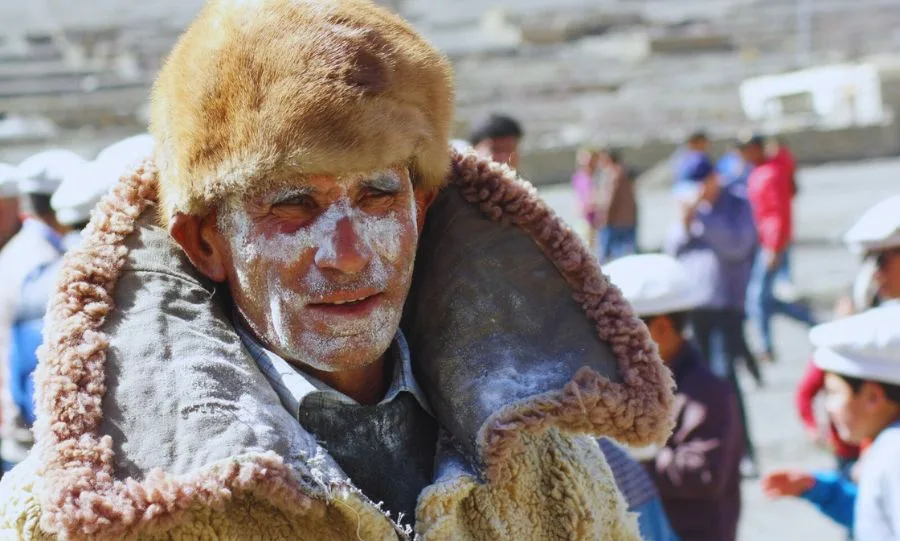
Tagham Festival is a unique cultural festival celebrated every year on 1st April in Shimshal Valley, offering visitors a rare opportunity to witness its vibrant culture and rich traditions.
Whether you are a nature lover, cultural enthusiast, foodie, or traveler seeking authentic experiences, Shimshal Valley promises an unforgettable journey. Known as the home of legendary mountaineers, Shimshal reflects a strong sense of cultural diversity, religious harmony, and deep-rooted traditions. The Tagham Festival provides a fascinating glimpse into the local way of life through traditional celebrations, community gatherings, and cultural expressions.
During your journey, you will travel along the breathtaking Karakoram Highway, exploring dramatic landscapes and witnessing the rare confluence of the world’s three great mountain ranges: the Himalayas, Karakoram, and Hindukush. Along the way, you will encounter remote villages where life is deeply connected to culture, festivals, and centuries-old traditions.
Situated in the heart of the Karakoram Range, Shimshal is one of the most remote valleys in the region. Surrounded by some of the world’s toughest mountains and untouched virgin peaks, the valley remains a true hidden gem. The journey begins in Islamabad, following the legendary Karakoram Highway to Hunza or Passu in Upper Hunza. From there, soft-top 4×4 jeeps take you deep into Shimshal Valley, a scenic drive of approximately 4–5 hours to reach the main Shimshal village.
Arrive in Islamabad. After a short rest, freshen up and breakfast, depart on the Karakoram Highway in air-conditioned transport toward Besham or Chilas. Enjoy scenic mountain views along the way.
Overnight stay: Hotel
(260 km | 6–7 hours)
Drive through the dramatic gorges of the Indus and Hunza Rivers. En route, visit the junction point of the three highest mountain ranges in the world: the Himalayas, Karakoram, and Hindukush. Enjoy breathtaking views of Nanga Parbat (8,125 m) and Rakaposhi (7,788 m).
Arrive in Hunza (Karimabad).
Overnight stay: Hotel
(Approx. 515 km | 6–7 hours)
Transfer by 4×4 jeep toward Shimshal Valley. After approximately two hours, reach Kuk, opposite the Mulungudi Glacier, known for its natural hot springs and stunning views of Distaghil Sar (7,885 m). Continue driving to the main Shimshal Valley and then to the village.
Shimshal is one of the most remote valleys of the Karakoram, discovered around 900–1000 years ago by a Sufi saint, from whom the local community descends.
During these days, experience the Tagham Festival, celebrated annually on 1st April, showcasing Shimshal’s vibrant culture, traditional music, local cuisine, and community celebrations.
Accommodation: Camping
(4–5 hours jeep drive | Altitude approx. 3,300 m)
Return to Karimabad. Free day to explore Hunza Valley or take optional excursions to Passu and Batura Glaciers. Visit the historic Altit and Baltit Forts, once key defensive structures along the Silk Route protecting Hunza from invasions from Central Asia.
In the evening, enjoy a traditional Hunza cultural dance.
Meals & Overnight: Hotel
Early morning departure on the Karakoram Highway in air-conditioned transport toward Besham or Naran. Lunch stop at Dassu. Continue the journey along the Indus River.
Overnight stay: Motel
(11–12 hours drive)
After breakfast, drive back to Islamabad via the Karakoram Highway. Optional stop at Taxila, an important archaeological site of the Gandhara Buddhist civilization (500 BC – 500 AD).
Enjoy a short sightseeing tour in Islamabad. Evening free.
Transfer to Islamabad International Airport for onward international departure.
Do not hesitage to give us a call. We are an expert team and we are happy to talk to you.
+92 347 4598096
info@rockvalleytours.com
If you’re traveling to Pakistan, you’ll need a visa. Depending on your nationality, you can get it on arrival or apply online before your trip. You can also go to your local Pakistani embassy for a tourist visa. The length of stay varies: e-visas can be up to 3 months (extendable to 6 months), while visas on arrival are valid for 30 days. Make sure to check visa requirements with the authorities, as they might change.
In Pakistan, what you wear depends on when and where you’re going. In hot areas, wear light, loose clothes like a shirt and trousers. For cold places, bring warm clothes like a jacket and layers. When visiting mosques, cover your head, arms, legs, and shoulders. Dress modestly and avoid shorts. If you’re unsure, it’s best to dress conservatively.
June–September: Monsoon season with unpredictable rains, reaching over 45°C (113°F) in June. Floods can occur.
October/November: Post-monsoon season with decreasing temperatures and rainfall. Days are warm, nights cool.
December–February: Winter months with pleasant daytime temperatures around 20°C (68°F) and colder nights, especially in the northern mountains where it snows.
March–May: Hot and dry season with temperatures in the mid-30s°C (95°F) in low-lying areas, getting hotter towards the north.
Although Pakistan has faced challenges in recent years, it’s now generally safe to visit as long as you stay in busy areas. Some people might worry about coming here, but trust us, there’s a lot to discover beyond what you see in the news. You can be confident that Rock Valley Tours wouldn’t take you anywhere unsafe.
