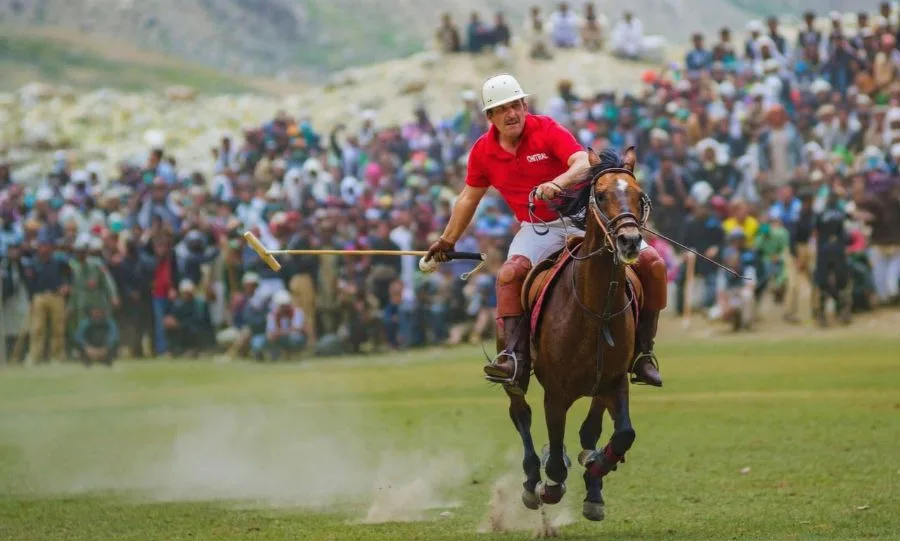
Every July, something extraordinary happens high up in the mountains of northern Pakistan: the Shandur Polo Festival. Played on the world’s highest polo ground at 3,700 meters, this event is more than just a sports match—it’s a cultural celebration where music, dance, and centuries-old traditions come together against the backdrop of stunning alpine scenery.
On this unforgettable 10-day journey, we’ll take you through the vibrant Kalash Valleys, the historic town of Chitral, and finally to the iconic Shandur Pass, where the festival takes place. You’ll witness fierce freestyle polo matches between arch-rivals Gilgit and Chitral, camp under a blanket of stars, and experience the warmth of mountain communities whose traditions are as rich as the landscapes they call home.
This is not just a trip—it’s a deep dive into the heart of Pakistan’s cultural and natural treasures.
Our adventure kicks off with a scenic drive from Islamabad to the lush green valleys of Swat. Along the way, we’ll make a stop at the ancient Buddhist ruins of Takht-e-Bahi—a UNESCO World Heritage Site that offers a fascinating glimpse into the region’s spiritual past.
Drive time: 8–10 hours
Overnight: Hotel in Swat
We continue our journey north, driving through breathtaking valleys and winding roads to reach the mysterious Kalash Valley. Home to the indigenous Kalasha people, this is one of the most culturally rich and unique regions in Pakistan.
Drive time: 6 hours
Overnight: Guesthouse in Bumburet
Spend the day exploring Bumburet, the largest of the Kalash valleys. Visit traditional Kalasha homes, learn about their mythology, and if lucky, join in a local festival or celebration. It’s a cultural immersion you won’t forget.
Activities: Guided cultural tour, local interactions
Overnight: Guesthouse in Bumburet
We head to Chitral, a historic mountain town nestled in the Hindukush range. Explore the majestic Shahi Mosque, the Chitral Fort, and the lively local bazaar. A short visit to the Chitral Museum offers insights into the area’s diverse ethnic heritage.
Drive time: 4–5 hours
Overnight: Hotel in Chitral
Today’s drive is full of dramatic views as we make our way toward Mastuj, a small town surrounded by snow-capped peaks. We’ll pass through quiet villages and green pastures, soaking in the peaceful beauty of the north.
Drive time: 6–7 hours
Overnight: Guesthouse in Mastuj
It’s time for the main event! We reach the legendary Shandur Pass and settle into our scenic campsite. As the festival kicks off, you’ll enjoy live folk music, cultural performances, and the buzzing excitement in the air as polo fever begins to rise.
Drive time: 4–5 hours
Overnight: Camping at Shandur Polo Ground
Today is the grand finale—where Gilgit and Chitral face off in a thrilling freestyle polo match. There are no umpires, no strict rules—just raw skill and passion. Cheer from the sidelines, mingle with locals, and soak in the unforgettable atmosphere of the “King of Games.”
Highlights: Polo matches, cultural festivities, community interaction
Overnight: Camping at Shandur
After the celebrations, we retrace our steps down to Mastuj and onward to Chitral for a relaxed evening.
Drive time: 7–8 hours
Overnight: Hotel in Chitral
Depart Chitral and drive back toward Swat Valley, stopping for lunch and photography along the way.
Drive time: 8–10 hours
Overnight: Hotel in Swat
Return to Islamabad with a heart full of memories, breathtaking photos, and a deeper understanding of the culture and charm of northern Pakistan.
Drive time: 8–9 hours
Overnight: Tour Ends
Do not hesitage to give us a call. We are an expert team and we are happy to talk to you.
+92 347 4598096
info@rockvalleytours.com
The festival takes place every year from July 7 to July 9, but we plan the tour around it (July 1–10) to ensure you experience the festival and explore the surrounding areas like Kalash and Chitral.
If you’re traveling to Pakistan, you’ll need a visa. Depending on your nationality, you can get it on arrival or apply online before your trip. You can also go to your local Pakistan embassy for a tourist visa. The length of stay varies: e-visas can be up to 3 months (extendable to 6 months), while visas on arrival are valid for 30 days. Make sure to check visa requirements with the authorities as they might change.
In Pakistan, what you wear depends on when and where you’re going. In hot areas, wear light, loose clothes like a shirt and trousers. For cold places, bring warm clothes like a jacket and layers. When visiting mosques, cover your head, arms, legs, and shoulders. Dress modestly and avoid shorts. If you’re unsure, it’s best to dress conservatively
June–September: Monsoon season with unpredictable rains, reaching over 45°C (113°F) in June. Floods can occur.
October/November: Post-monsoon season with decreasing temperatures and rainfall. Days are warm, nights cool.
December–February: Winter months with pleasant daytime temperatures around 20°C (68°F) and colder nights, especially in the northern mountains where it snows.
March–May: Hot and dry season with temperatures in the mid-30s°C (95°F) in low-lying areas, getting hotter towards the north.
Shandur Pass is situated at 3,700 meters (12,139 ft). Most people are fine, but mild symptoms like headache or shortness of breath can occur. We ascend gradually to help you acclimatize. Staying hydrated and avoiding overexertion helps.
We provide a mix of comfortable hotels and guesthouses in Swat, Kalash, Chitral, and Mastuj. During the Shandur Festival, we camp in tents with basic facilities provided (sleeping bags, mats, and shared toilets)
Here’s a quick checklist:
Warm clothing (especially for Shandur nights)
Comfortable walking shoes
Sunblock, sunglasses, hat
Personal medication
Small backpack for day use
Camera/phone for photos
A detailed packing list will be shared before departure.
Yes, we can help you customize the itinerary, add days, or organize private trips before or after the festival. Whether you want to go hiking, explore Hunza, or visit Lahore, we’re happy to arrange it.
