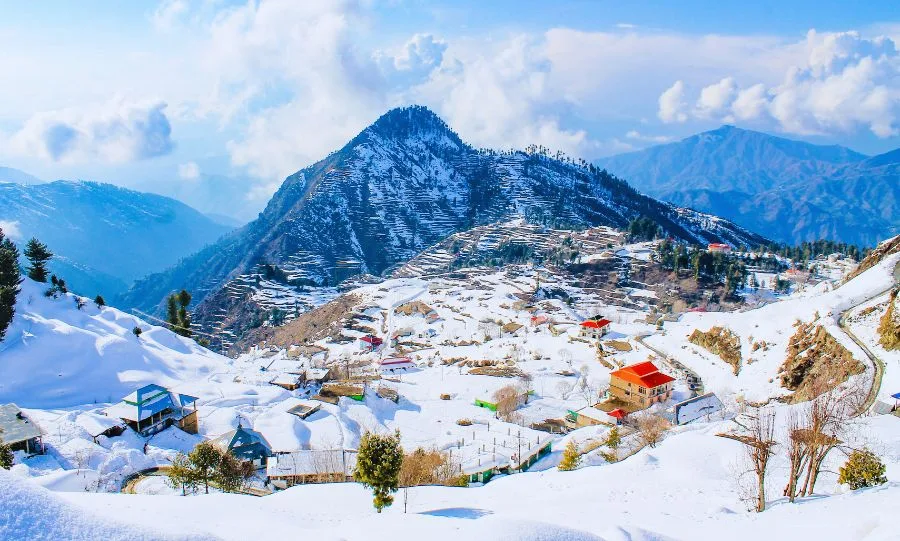
Visit Lahore, Swat Valley, and Peshawar in 7 days on this culturally rich journey, available year-round. This comprehensive tour explores the cultural heart of North Khyber Pakhtunkhwa.
Travel from Lahore to Peshawar along the historic Grand Trunk Road, continuing onward to the fertile and scenic Swat Valley. The tour concludes in Islamabad, the federal capital of Pakistan. Discover Peshawar, the historic gateway to the Indian subcontinent, and immerse yourself in the region’s deep-rooted history.
This journey through Swat and Peshawar introduces you to the ancient Gandhara Buddhist heritage and the vibrant traditions of Pathan culture, offering a perfect blend of history, culture, and landscape.
Arrival in Lahore, the cultural heart of Pakistan, capital of Punjab, and the premier Mughal city. The city is renowned for its vibrant atmosphere, rich history, and warm hospitality. Enjoy dinner at a traditional local restaurant.
Overnight at the hotel.
“To see Lahore is to be born again,” as the folk saying of Punjab goes. Today, we explore Lahore’s magnificent Mughal heritage. Visit the 17th-century Badshahi Mosque, famous for its marble domes and red sandstone arches. Explore the Lahore Fort, a masterpiece showcasing the architectural tastes of successive Mughal emperors. Walk through the old walled city and visit the stunning Wazir Khan Mosque, celebrated for its intricate glazed tile mosaics.
In the evening, visit the Shalimar Gardens, a UNESCO World Heritage Site, before returning to the hotel.
Overnight at the hotel.
Morning flight to Peshawar. After some rest at the hotel, drive towards the legendary Khyber Pass, one of the most historically significant land routes into the Indian subcontinent. This pass was used by many invaders, including Alexander the Great, on their journeys south. Subject to permission, we may travel up to Michni Post, offering panoramic views of the Pak-Afghan border and Afghanistan’s Jalalabad province.
Lunch in Peshawar, followed by an evening visit to the local bazaar.
Overnight at the hotel.
(Approx. 45 km one way)
Peshawar has played a vital role in the history of the subcontinent due to its strategic location near the Khyber Pass and its connection to the Gandhara civilization. Morning sightseeing includes Kissa Khawani Bazaar (Street of Storytellers), Kasera Bazaar (Gold Market), Caravan Serai, Mahabat Khan Mosque, and the Peshawar Museum, renowned for its Gandhara artifacts.
After lunch, drive to the beautiful Swat Valley, known for its lush orchards, flowing rivers, alpine scenery, and surrounding Hindu Kush and Himalayan ranges. Arrive in Mingora, one of the twin capitals of Swat, and check in at the hotel.
Overnight in Mingora.
After breakfast, proceed towards Kalam, with a stop at Bahrain, a charming riverside town famous for trout fishing. Kalam lies about 30 km from Bahrain and sits at an altitude of approximately 3,000 meters, offering breathtaking mountain scenery.
Return to Mingora in the evening.
Overnight at the hotel.
Drive to Islamabad, a journey of approximately six hours. Travel along the historic Grand Trunk Road, built by the Pathan emperor Sher Shah Suri. Cross the Indus River at Attock and stop briefly for photographs at the confluence of the Indus and Kabul Rivers. Bypass the archaeological site of Taxila and arrive in Islamabad by evening.
Overnight at the hotel.
Morning transfer to the airport for your onward flight to your home destination.
Do not hesitage to give us a call. We are an expert team and we are happy to talk to you.
+92 347 4598096
info@rockvalleytours.com
With the Lahore 2 Days Full Day Sightseeing Tour, you’ll explore key attractions including
If you’re traveling to Pakistan, you’ll need a visa. Depending on your nationality, you can get it on arrival or apply online before your trip. You can also go to your local Pakistani embassy for a tourist visa. The length of stay varies: e-visas can be up to 3 months (extendable to 6 months), while visas on arrival are valid for 30 days. Make sure to check visa requirements with the authorities as they might change.
In Pakistan, what you wear depends on when and where you’re going. In hot areas, wear light, loose clothes like a shirt and trousers. For cold places, bring warm clothes like a jacket and layers. When visiting mosques, cover your head, arms, legs, and shoulders. Dress modestly and avoid shorts. If you’re unsure, it’s best to dress conservatively.
June–September: Monsoon season with unpredictable rains, reaching over 45°C (113°F) in June. Floods can occur.
October/November: Post-monsoon season with decreasing temperatures and rainfall. Days are warm, nights cool.
December–February: Winter months with pleasant daytime temperatures around 20°C (68°F) and colder nights, especially in the northern mountains where it snows.
March–May: Hot and dry season with temperatures in the mid-30s°C (95°F) in low-lying areas, getting hotter towards the north.
