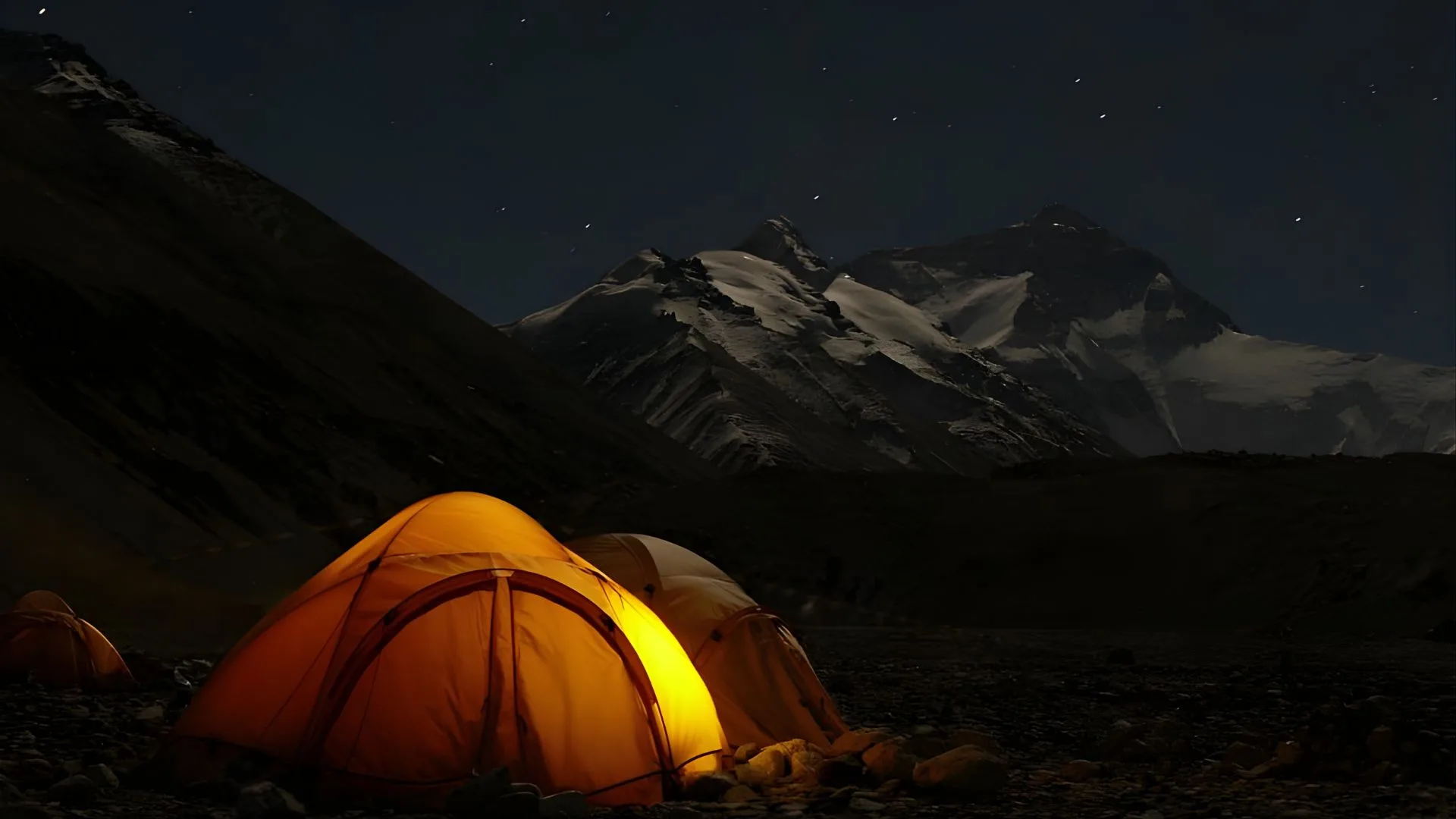
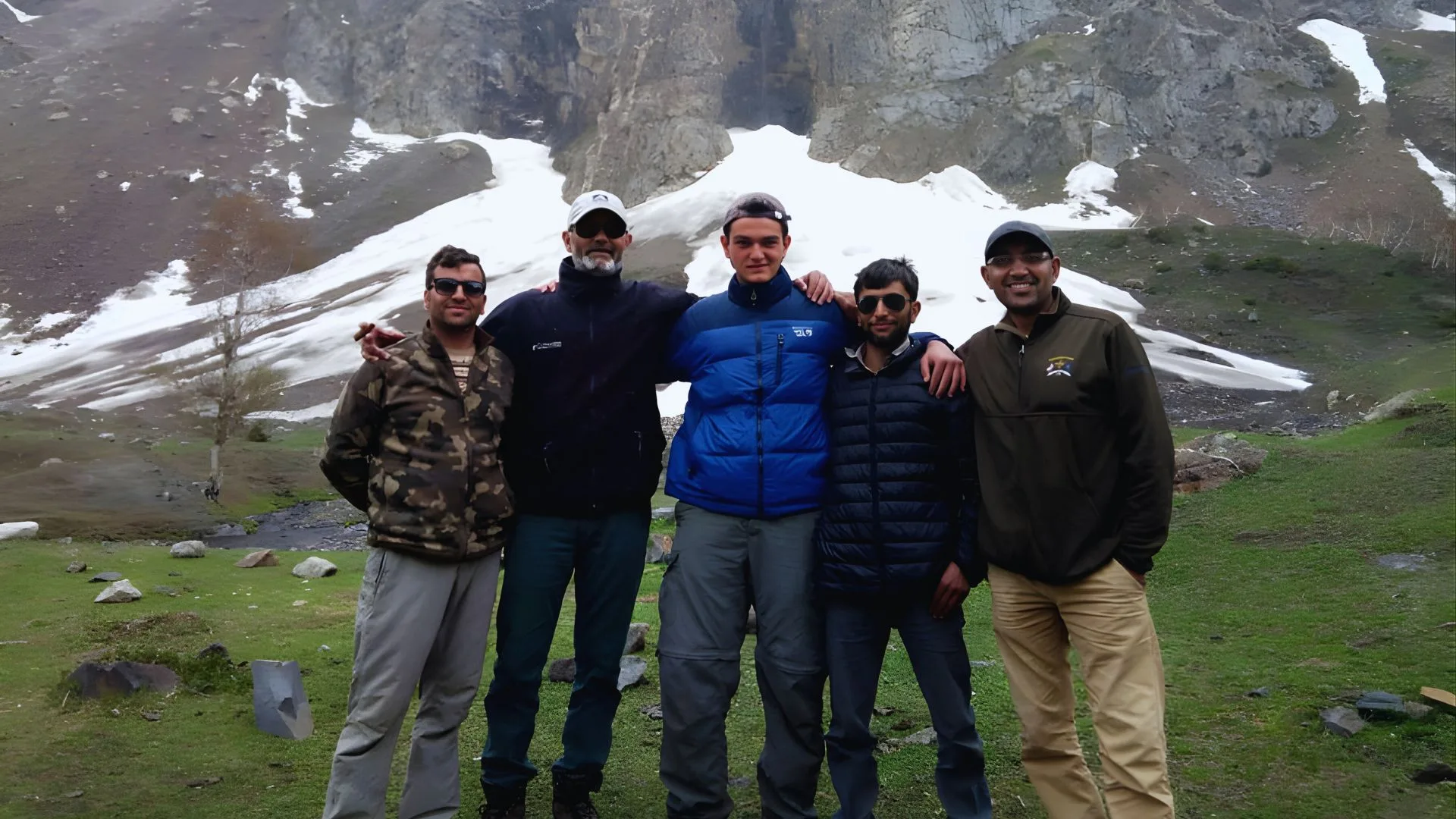
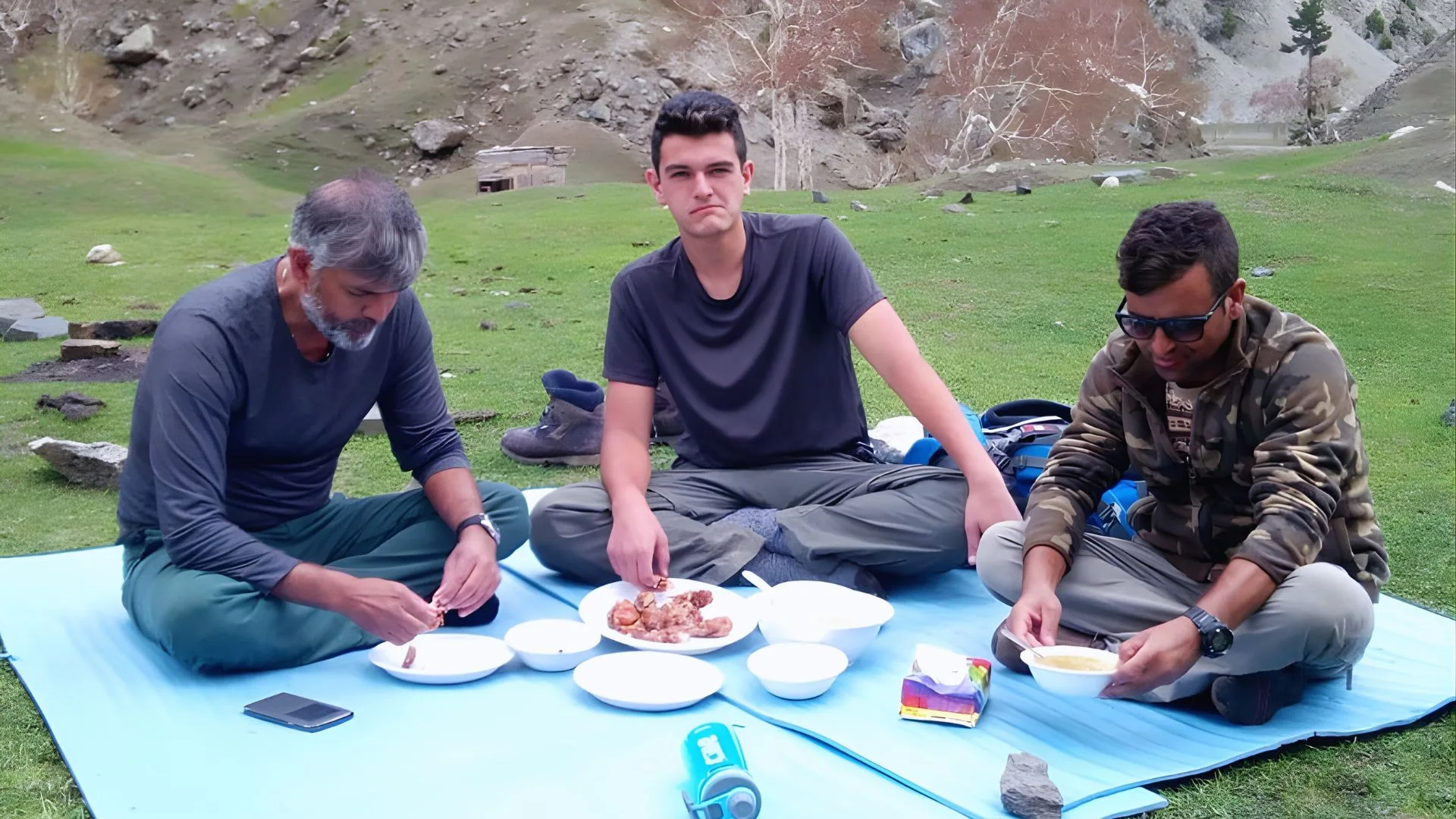
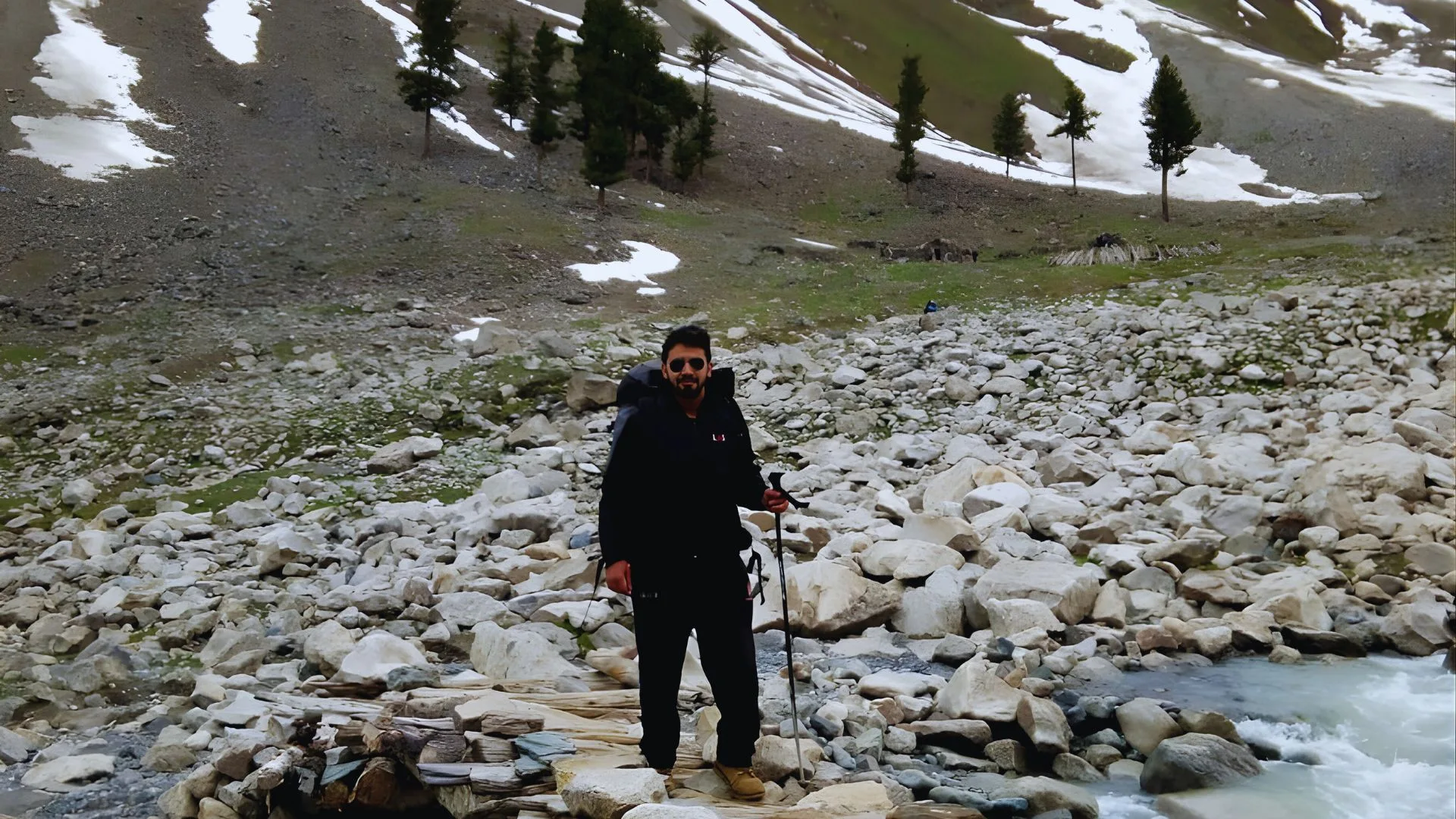
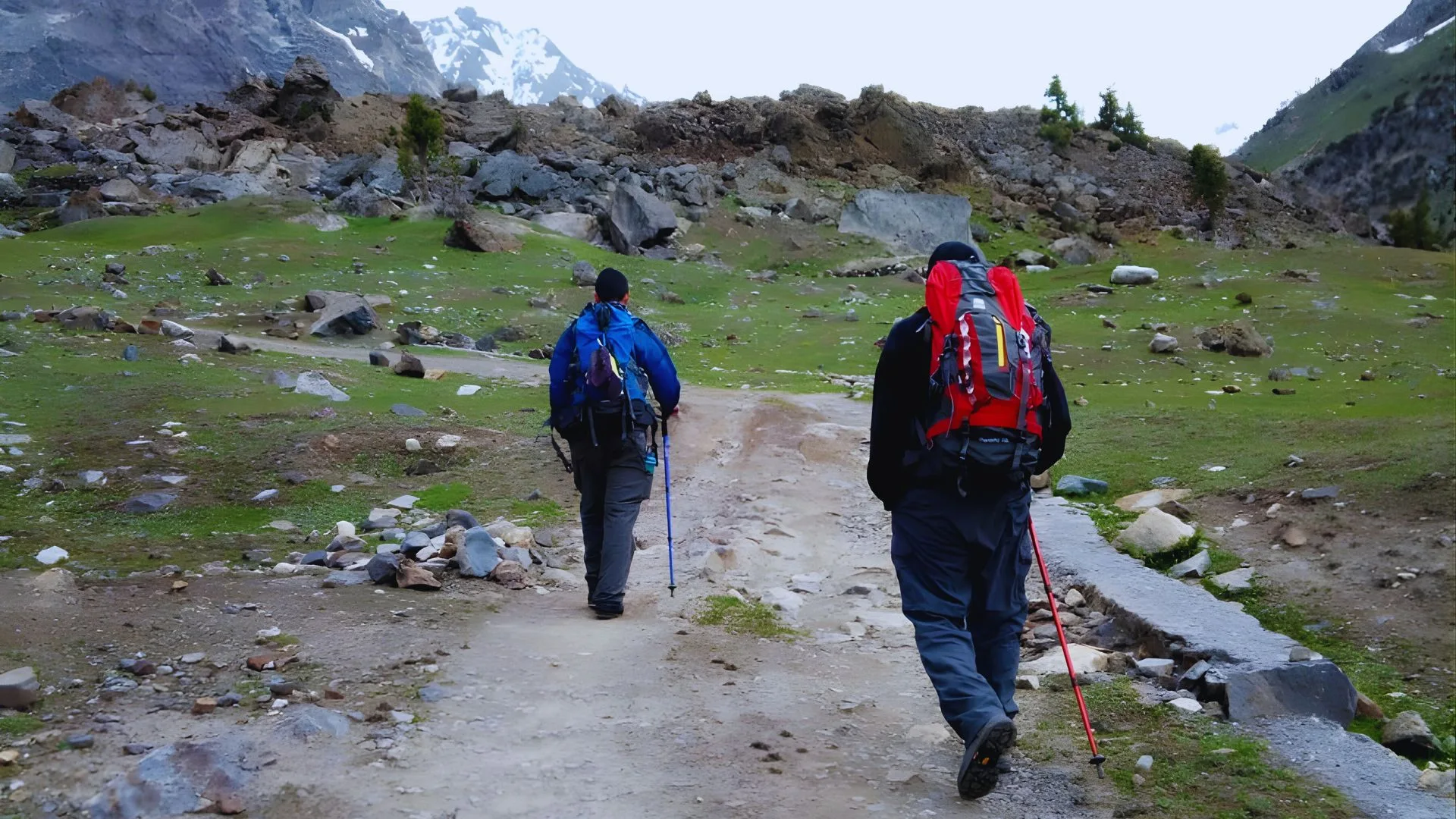
The 08 Days Gilgit Tour is a soft adventure through the breathtaking landscapes of the Karakoram Mountains in northern Pakistan. This journey explores the beautiful valleys surrounding Gilgit, including Hunza Valley, Nagar Valley, and Naltar Valley, each offering a unique blend of nature, culture, and history.
Gilgit serves as the gateway to these iconic destinations. Hunza Valley, located approximately 100 km north of Gilgit, is the highlight of the tour and is famous for its dramatic mountain scenery, glaciers, freshwater streams, and traditional villages. Karimabad, the cultural heart of Hunza, offers charming bazaars, heritage sites, and comfortable hotels. Key attractions include the historic Baltit Fort and Altit Fort, beautifully restored by the Aga Khan Trust for Culture.
The tour also includes visits to Nagar Valley, home to the stunning Hopper Glacier, and a scenic jeep excursion to Naltar Valley, renowned for its alpine lakes and pine forests. A visit to Khunjerab Pass (Pakistan–China Border) adds an unforgettable high-altitude experience along the Karakoram Highway.
Optional activities include walking across the Hussaini Suspension Bridge, boating at Attabad Lake, short hikes to glaciers and meadows, and exploring local culture and cuisine. This tour is ideal for travelers seeking a relaxed yet immersive experience in Gilgit Baltistan.
Arrival at Islamabad International Airport (international/domestic flights).
After a warm welcome and reception, guests are transferred to the hotel.
Dinner will be served at the hotel.
Overnight stay in Islamabad.
After breakfast, we depart for Naran or Chilas (depending on road and weather conditions).
En route, we visit the Taxila Museum, followed by scenic photography, tea, and comfort stops.
A long but beautiful drive through changing landscapes.
Dinner and overnight stay at the hotel.
After breakfast, we drive to Raikot Bridge and continue by 4×4 jeep to Tato Village.
From Tato, guests may hike or take a horse ride to reach Fairy Meadows, offering breathtaking views of Nanga Parbat.
Evening bonfire with local music and traditional atmosphere.
Dinner and overnight stay at the guesthouse in Fairy Meadows.
Morning departure from Fairy Meadows, returning by jeep to the Karakoram Highway.
Drive toward Hunza Valley, passing the junction of the Karakoram, Himalaya, and Hindu Kush mountain ranges.
Stops include:
Rakaposhi View Point
Altit Fort
Baltit Fort
Karimabad Bazaar
Dinner and overnight stay at a hotel in Hunza (Karimabad).
Full-day sightseeing excursion covering:
Hopper Glacier (Nagar Valley)
Attabad Lake
Hussaini Suspension Bridge
Passu Village
Gulmit & Gulkin Villages
Enjoy stunning landscapes and cultural interactions throughout the day.
Dinner and overnight stay at a hotel in Hunza.
Early departure for a full-day excursion to Khunjerab Pass (Pakistan–China Border).
On the return journey, stops include:
Passu Cathedral Peaks
Passu Glacier viewpoints
Continue driving toward Naltar Valley.
Dinner and overnight stay at the hotel in Naltar.
After breakfast, drive from Naltar to Gilgit.
En route, visit the famous Naltar Seven-Color Lakes.
Continue driving toward Naran or Besham.
Dinner and overnight stay at the hotel.
Drive back to Islamabad with scenic photography stops.
Upon arrival, an optional short city drive (time permitting).
Transfer to Islamabad International Airport for onward flight.
End of services.
Do not hesitage to give us a call. We are an expert team and we are happy to talk to you.
+92 347 4598096
info@rockvalleytours.com
Do not hesitage to give us a call. We are an expert team and we are happy to talk to you.
+92 347 4598096
info@rockvalleytours.com
If you’re traveling to Pakistan, you’ll need a visa. Depending on your nationality, you can get it on arrival or apply online before your trip. You can also go to your local Pakistani embassy for a tourist visa. The length of stay varies: e-visas can be up to 3 months (extendable to 6 months), while visas on arrival are valid for 30 days. Make sure to check visa requirements with the authorities, as they might change.
In Pakistan, what you wear depends on when and where you’re going. In hot areas, wear light, loose clothes like a shirt and trousers. For cold places, bring warm clothes like a jacket and layers. When visiting mosques, cover your head, arms, legs, and shoulders. Dress modestly and avoid shorts. If you’re unsure, it’s best to dress conservatively.
June–September: Monsoon season with unpredictable rains, reaching over 45°C (113°F) in June. Floods can occur.
October/November: Post-monsoon season with decreasing temperatures and rainfall. Days are warm, nights cool.
December–February: Winter months with pleasant daytime temperatures around 20°C (68°F) and colder nights, especially in the northern mountains where it snows.
March–May: Hot and dry season with temperatures in the mid-30s°C (95°F) in low-lying areas, getting hotter towards the north.
Although Pakistan has faced challenges in recent years, it’s now generally safe to visit as long as you stay in busy areas. Some people might worry about coming here, but trust us, there’s a lot to discover beyond what you see in the news. You can be confident that Rock Valley Tours wouldn’t take you anywhere unsafe.