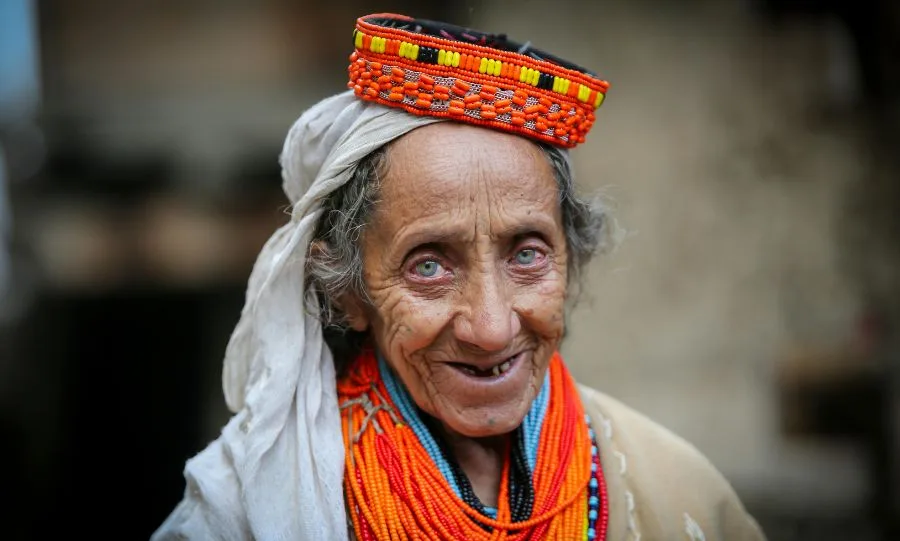
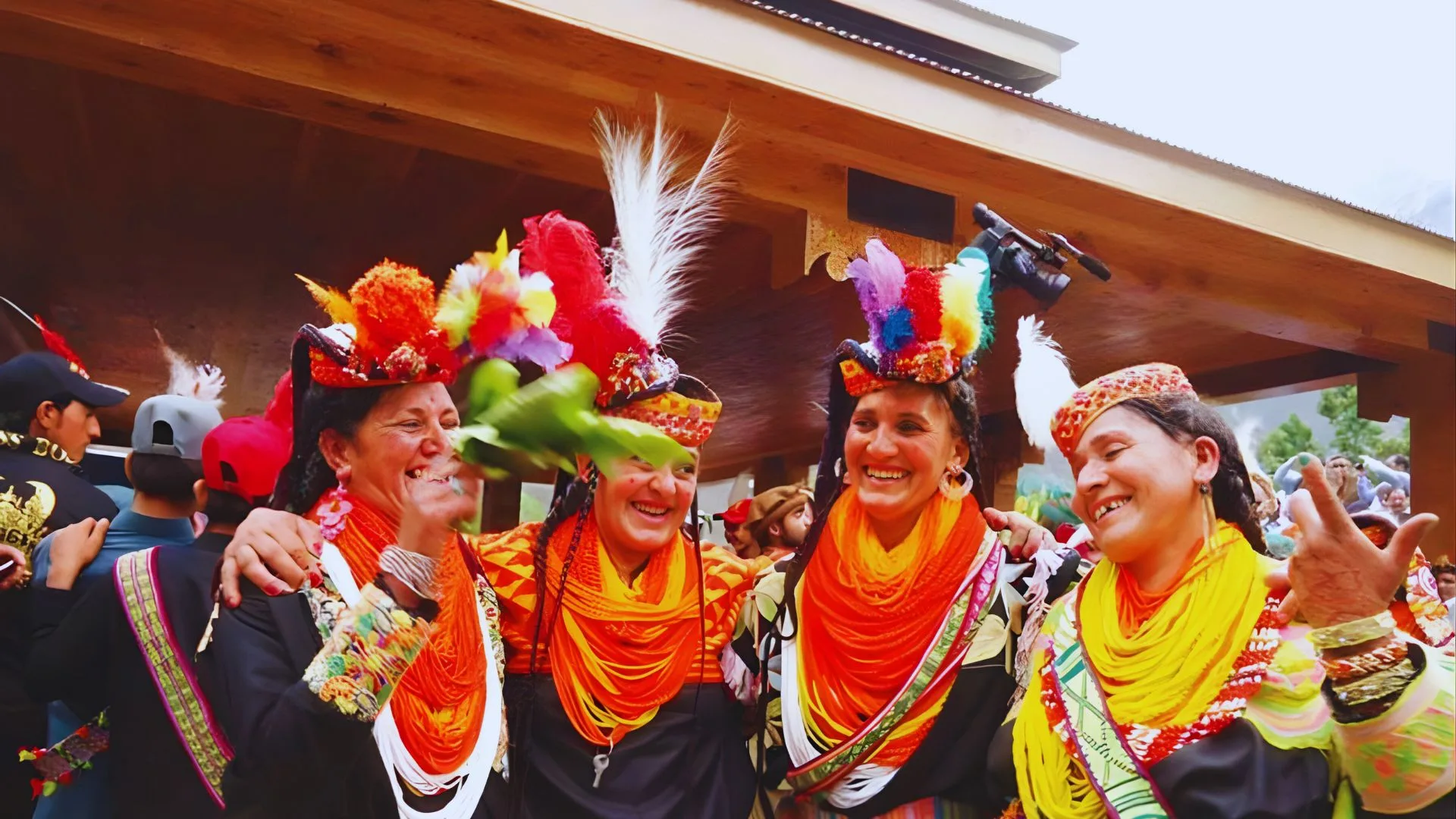
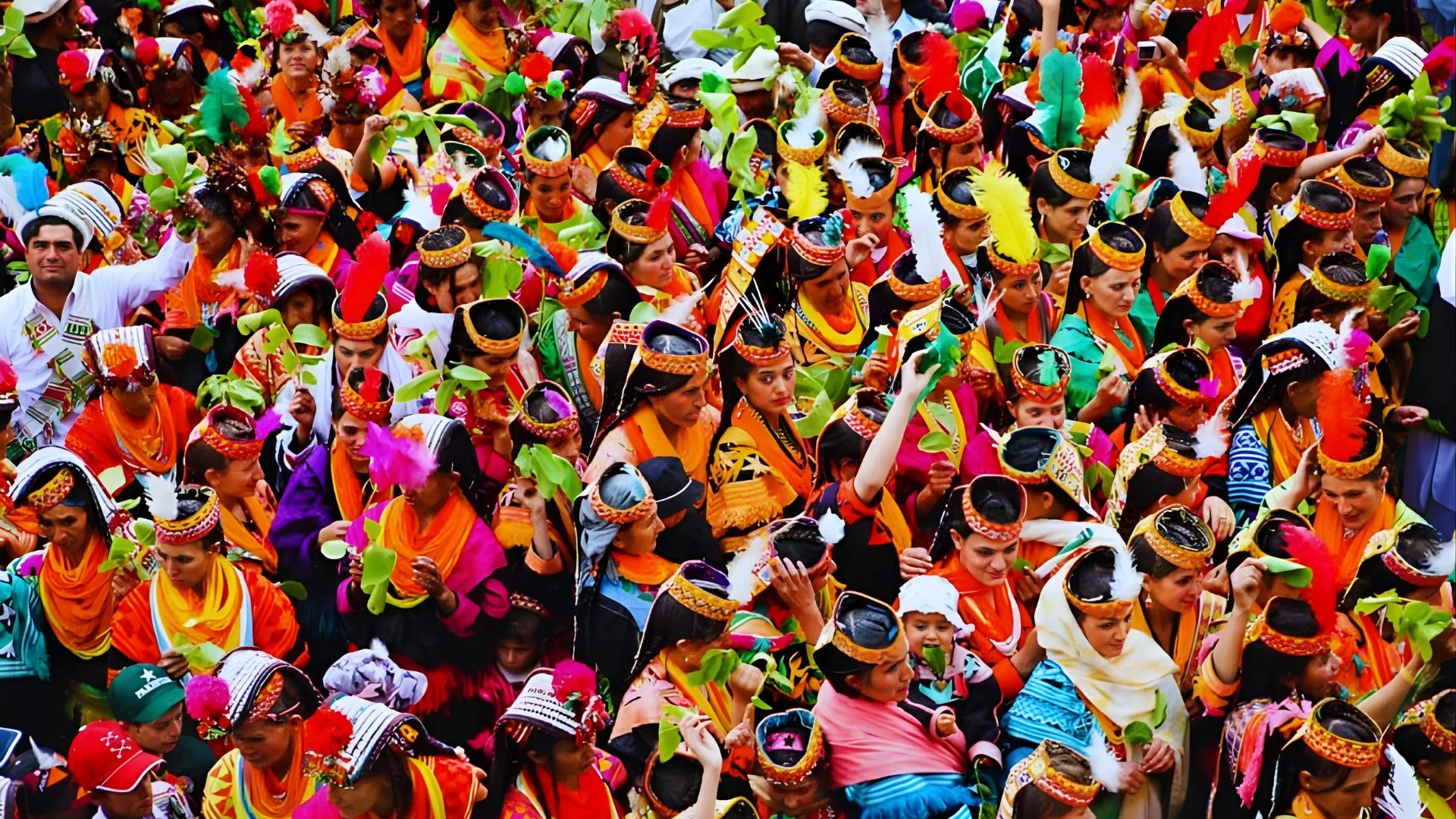
The Choimus Kalash Winter Festival is one of the most important and unique cultural festivals in Pakistan. The Kalasha tribe celebrates several festivals throughout the year, with three major ones being Chilam Joshi (Spring Festival), Uchal (Summer Festival), and Choimus (Winter Festival).
Celebrated in the heart of the Hindukush mountain ranges, the Choimus Festival offers an unforgettable cultural experience, showcasing ancient traditions, rituals, music, and community gatherings of the Kalash people. This festival marks the end of the year and the arrival of winter, making it a deeply spiritual and vibrant event.
In recognition of its cultural significance, UNESCO listed Kalash culture as an “Intangible Cultural Heritage” in 2018, a decision announced during the 13th session of UNESCO’s Intergovernmental Committee held in Mauritius.
Itinerary – Choimus Kalash Chitral Winter Festival
The detailed itinerary for the Choimus Kalash Winter Festival tour is provided below.
If you want, I can also make this shorter, more SEO-focused, or more emotional for international tourists.
Arrive at Islamabad International Airport and transfer to the hotel. After check-in, relax and recover from your journey. Depending on arrival time, enjoy a short orientation walk or rest at the hotel. Overnight stay in Islamabad.
Pakistani participants join the tour on this day.
Early morning departure for Chitral Valley, traveling through scenic mountain landscapes and picturesque valleys. Enjoy views of rivers, forests, and remote villages along the way. Upon arrival in Chitral, check into the hotel and relax. Overnight stay in Chitral.
After breakfast, explore Chitral town, visiting local bazaars and historical landmarks. Later, drive to the Kalash Valleys to experience the unique lifestyle, traditions, and architecture of the Kalasha people. Interact with locals and learn about their ancient culture. Overnight stay in Kalash or Chitral.
This day is dedicated to the Choimus Kalash Winter Festival. Participate in traditional rituals, music, dances, and celebrations that mark the Kalash New Year and the arrival of winter. A rare cultural experience set against the stunning backdrop of the Hindukush Mountains. Overnight stay in Kalash Valley.
Tour ends for Pakistani participants.
Drive back to Islamabad, enjoying scenic mountain views along the route. Upon arrival, check in to the hotel and rest. Overnight stay in Islamabad.
Explore the twin cities of Islamabad and Rawalpindi. Visit Faisal Mosque, Daman-e-Koh, Lok Virsa Museum, Shakarparian Hills, and Constitution Avenue. Later, explore Rawalpindi’s traditional markets and historic streets. Overnight stay in Islamabad.
Transfer to Islamabad International Airport for your onward flight. Tour ends with unforgettable cultural memories of Pakistan.
Do not hesitage to give us a call. We are an expert team and we are happy to talk to you.
+92 347 4598096
info@rockvalleytours.com
Do not hesitage to give us a call. We are an expert team and we are happy to talk to you.
+92 347 4598096
info@rockvalleytours.com
If you’re traveling to Pakistan, you’ll need a visa. Depending on your nationality, you can get it on arrival or apply online before your trip. You can also go to your local Pakistani embassy for a tourist visa. The length of stay varies: e-visas can be up to 3 months (extendable to 6 months), while visas on arrival are valid for 30 days. Make sure to check visa requirements with the authorities, as they might change.
In Pakistan, what you wear depends on when and where you’re going. In hot areas, wear light, loose clothes like a shirt and trousers. For cold places, bring warm clothes like a jacket and layers. When visiting mosques, cover your head, arms, legs, and shoulders. Dress modestly and avoid shorts. If you’re unsure, it’s best to dress conservatively.
June–September: Monsoon season with unpredictable rains, reaching over 45°C (113°F) in June. Floods can occur.
October/November: Post-monsoon season with decreasing temperatures and rainfall. Days are warm, nights cool.
December–February: Winter months with pleasant daytime temperatures around 20°C (68°F) and colder nights, especially in the northern mountains where it snows.
March–May: Hot and dry season with temperatures in the mid-30s°C (95°F) in low-lying areas, getting hotter towards the north.
Although Pakistan has faced challenges in recent years, it’s now generally safe to visit as long as you stay in busy areas. Some people might worry about coming here, but trust us, there’s a lot to discover beyond what you see in the news. You can be confident that Rock Valley Tours wouldn’t take you anywhere unsafe.