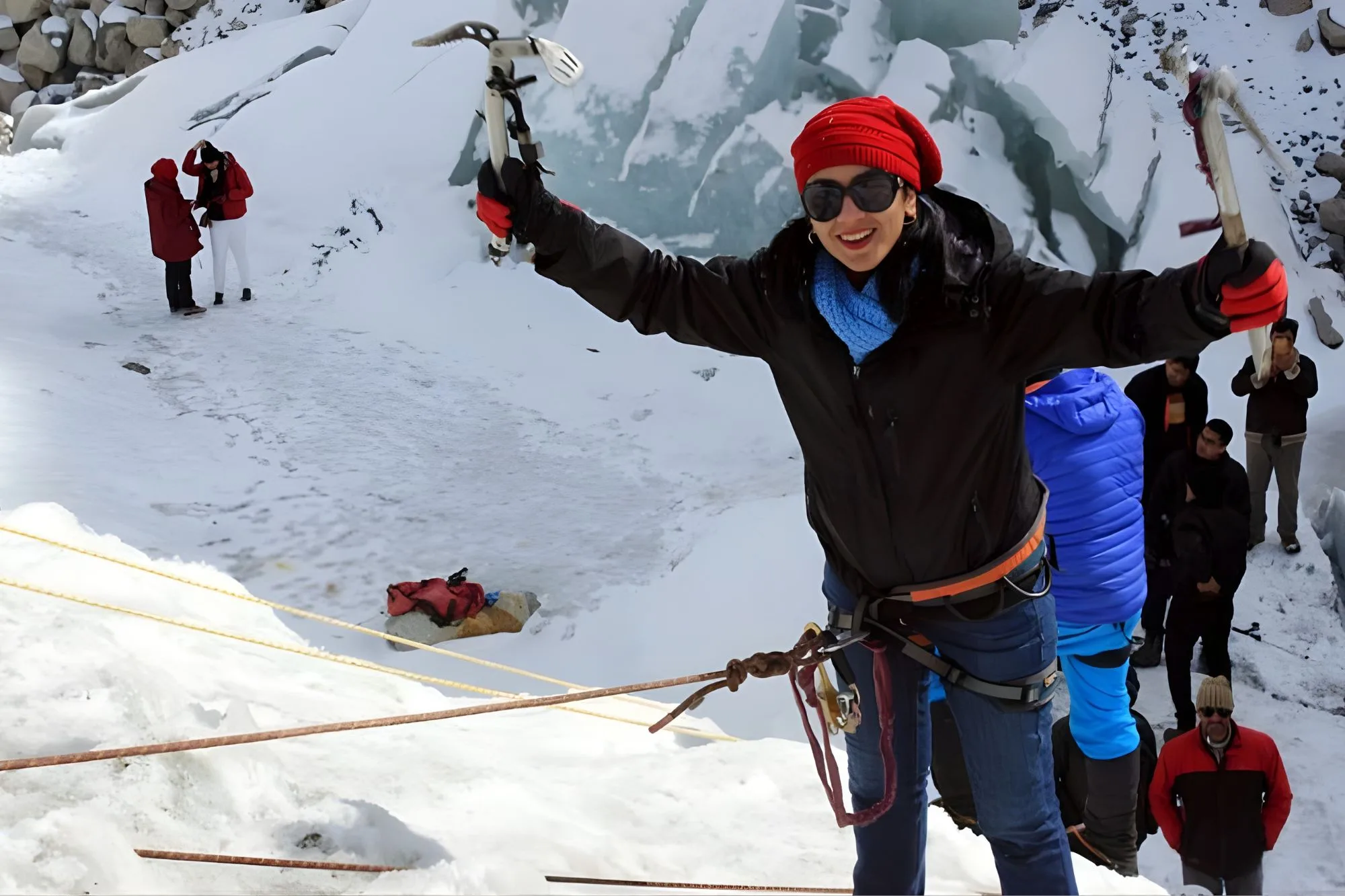
At Rock Valley Tours, we deliver safe, comfortable, and meaningful travel experiences across Pakistan. Our team is born and trained in the mountains, with deep knowledge of the terrain, culture, and local communities. Every tour is led by certified professionals who focus on your comfort, safety, and enjoyment from start to finish.
We specialize in customized tours, treks, jeep safaris, trophy hunting, expeditions, and adventure programs for families, groups, and corporate travelers. With years of experience and a passion for exploring Pakistan, we ensure a smooth, well-organized, and unforgettable journey every time.
Travel with experts who know Pakistan better than anyone.

For two decades, we’ve been crafting unforgettable journeys, immersing travelers in the rich tapestry of cultures, landscapes, and experiences that make our world so captivating.

With over 200 tours under our belt, we have the experience and expertise to make your next tour a success.

A thriving community of tour guides connects travelers with local experts, fostering meaningful experiences and cultural immersion.

All foreign visitors need a passport valid for at least 6 months. Tourist visas (usually valid for 3 months) can be obtained online or from Pakistani embassies/consulates. Need help with your visa? We’re here to guide you.

Rock Valley Tours Pvt. Ltd. is a Pakistan-based travel company led by an experienced team that has lived, worked, and explored across the country. We offer tours, treks, safaris, trophy hunting, climbing expeditions, team-building programs, and corporate events.
Our team follows international standards to ensure safe, comfortable, and well-organized travel. We also work with local communities to protect the natural environment.
From arrival to departure, we take care of all your travel needs and help you experience Pakistan through the eyes of locals.


Totally recommend Rock Valley Tours and our guide Manzoor. He does hiking, climbing tours and road trips. His English is excellent and very easy to understand. Everyone we spoke with in Pakistan spoke good English actually. Our tour was perfect. 100% Also, there is no alcohol. So, good chance to jump on the wagon 😃 We found Pakistan very safe. We saw a lot of solo foreign women travellers, to underline how safe it is. The people are warm, friendly and helpful. The food is next level good …everywhere. None of us got sick (or even close) during the entire trip. And the scenery! OMG it is nothing short of breathetaking. Just go! You won’t regret it.
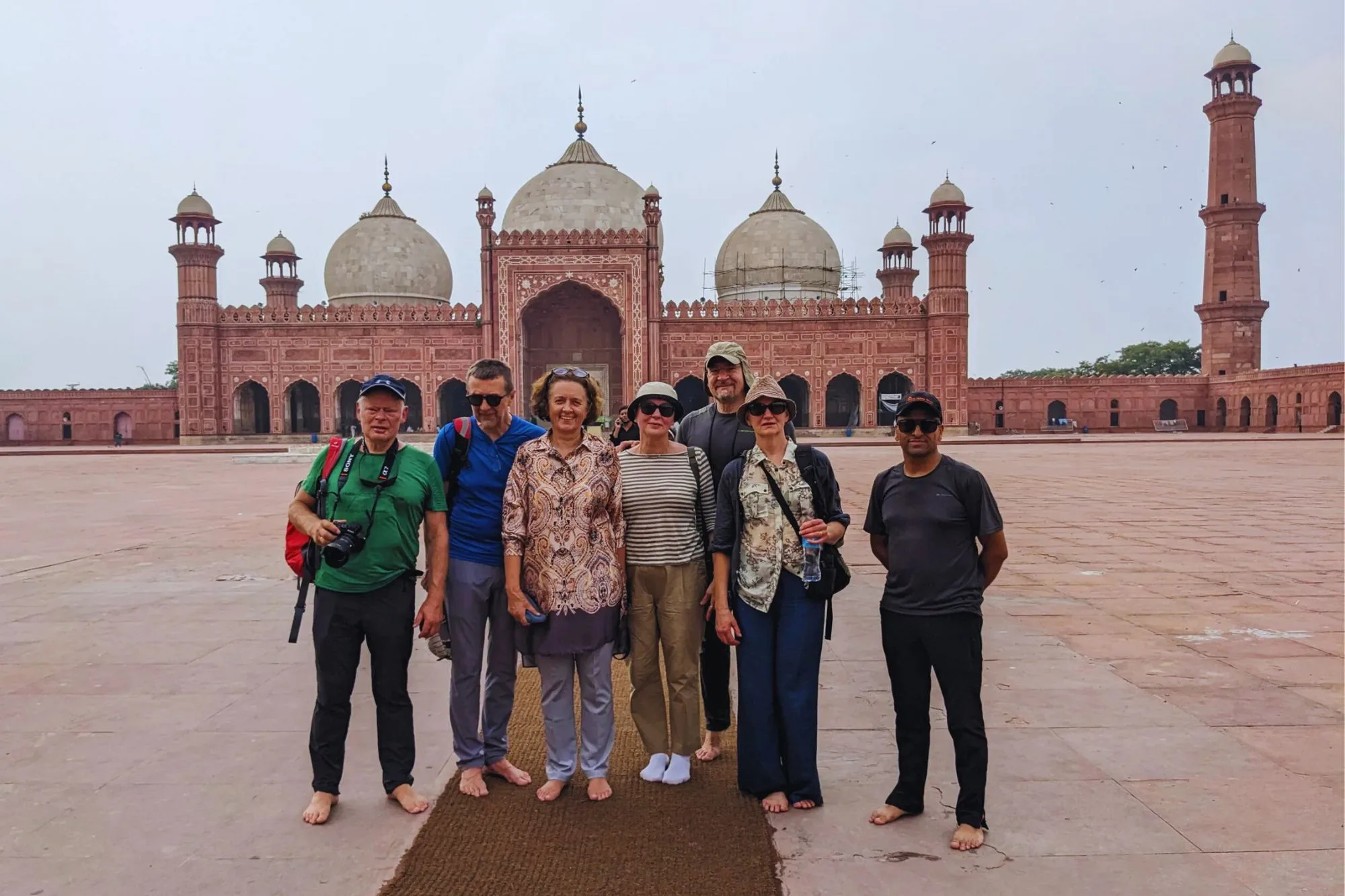
The Lahore tour was excellent. The guide was responsive to emails prior to travel and very helpful. He and the driver did everything possible to offer attractions, info and accommodations when issues arose. I would recommend Rock Valley Tours to anyone traveling in Pakistan.
I recently traveled to Pakistan and had the incredible luck of having Azeem as my guide. From the very first day, he made me feel completely at home, treating me like family rather than just a client. His deep knowledge of the country, local culture, and hidden gems is unmatched. Whether we were exploring the breathtaking mountain landscapes, navigating bustling local markets, or enjoying authentic, traditional meals, Azeem always ensured my safety, comfort, and happiness. He is incredibly kind, professional, and always goes the extra mile to make the journey special. If you are planning a trip to Pakistan, I highly recommend booking ROCK VALLEY TOURS. He will turn your vacation into an unforgettable, heartwarming experience!
RVT and Manzoor are 100% recommendable tour operators. From planning and payment to execution, everything ran smoothly. The selection of vehicles/drivers and accommodations was completely satisfactory. Manzoor is very friendly and competent. Come to this wonderful country and book with RVT.
Everything about this company was great from the initial organising with Manzoor texts back and forth confirming things to visa assistance. The tour itself to the north was nothing short of fabulous. My guide Saeed was brilliant, patiently answering my myriad of questions to organising special extras – like a tour of the Rawalpindi cricket stadium. The driver Umar was careful and drove well. I cannot promise them enough. Their guidance was top notch, congratulations to them for organisation and professional work.
Fabulous! Highly recommended. Very professional. These guys do everything in their power to make sure you have an amazing and stress-free trip. And the food is incredible!
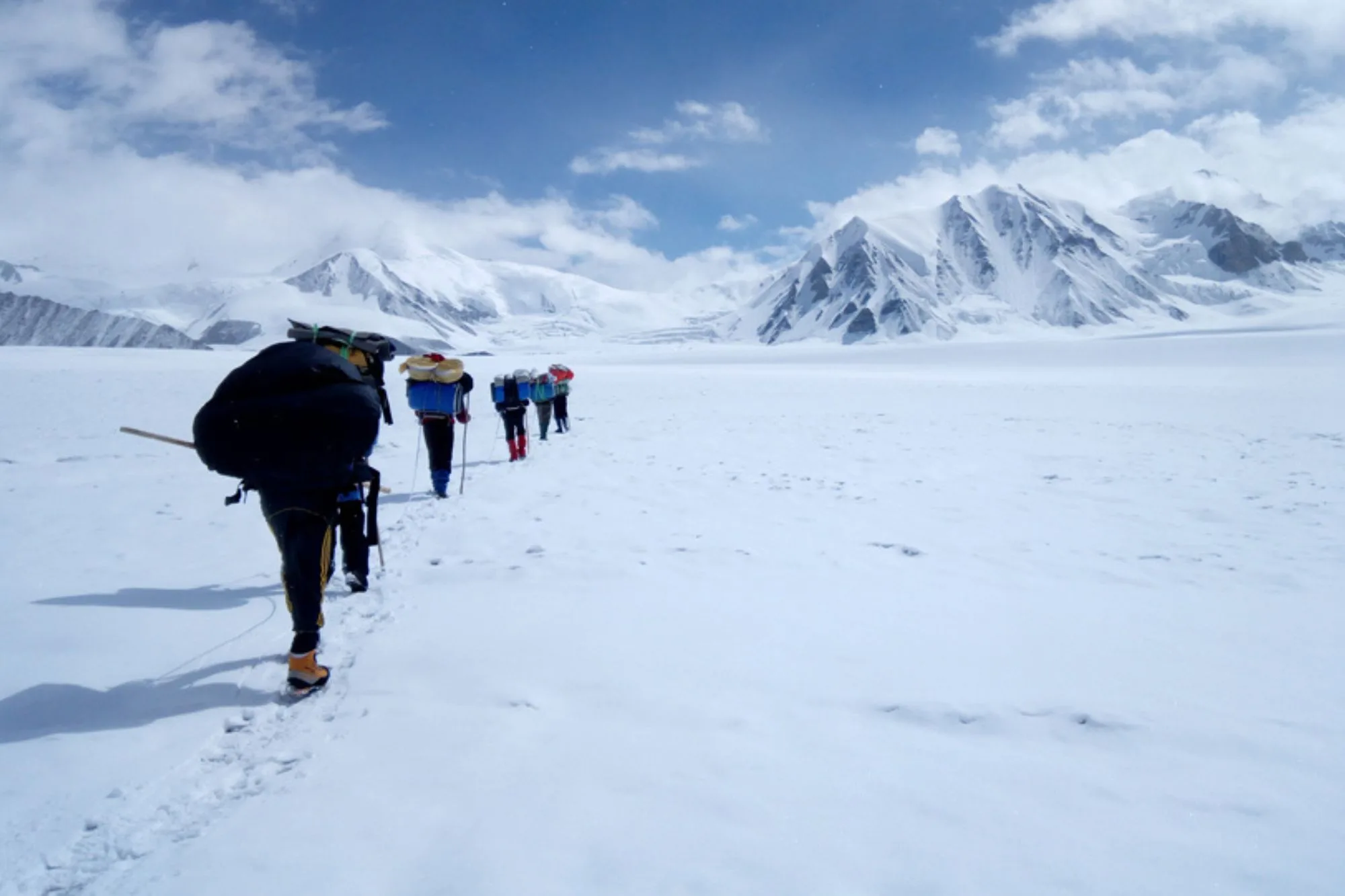
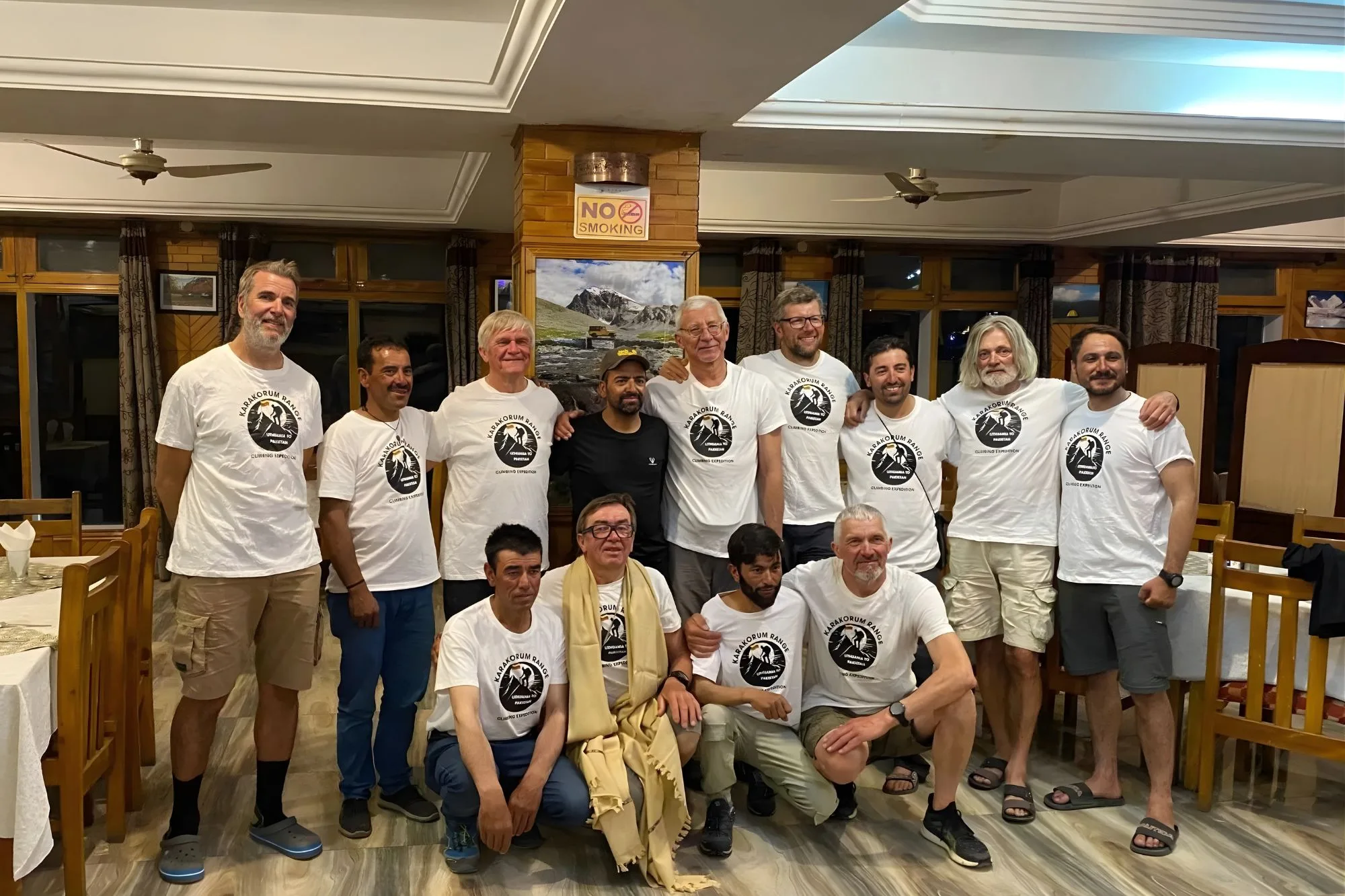
I spent few days with Rock Valley Tours Pvt LTD in August 2021 while We were headed to Shimshal Pass & Mangilik Sar expedition.
It was the best time. Mr Manzoor and his whole team , They are very cooperative, humorous and peaceful people.
Management, service , food and Trek planning 10/10 .
They tried to do their best to entertain the people Specially Traditional Dance and Summit Ceremony  .
.
Strongly Recommended
Had one of the best trekking experiences with these guys. Manzoor and his team were super accommodating and reliable. Would definitely consider them again in future. Highly recommended!
The best and most well connected expedition organizer Ive been with. Manzoor bhai, specifically, is an awesome companion and a highly experienced guide. 10/10 for their services!
Fantastic experience. Great organisation by Manzoor and his team from Shimshal for the Shimshal Pass Trekk. Kind, courteous, and very hospitable – we had a once in a life time experience. Look forward to returning back soon for more adventures! Thank you Manzoor bhai for showing us so much of beautiful Pakistan!
Top guide and well organised. Would highly recommend Manzoor for any sort of adventure in the north..